Santorini Greece Earthquakes: A Comprehensive Guide To Understanding Seismic Activity - Experts from the Institute of Marine Geology and Geophysics emphasize the importance of continuous research and data collection in improving earthquake prediction models for Santorini. Buildings in Santorini are constructed according to strict seismic building codes, ensuring they can withstand moderate to severe earthquakes. Modern infrastructure incorporates advanced engineering techniques to enhance resilience against seismic forces.
Experts from the Institute of Marine Geology and Geophysics emphasize the importance of continuous research and data collection in improving earthquake prediction models for Santorini.
The impact of earthquakes on Santorini's landscape serves as a reminder of the dynamic nature of geological processes and the island's vulnerability to seismic activity.
Greece declares state of emergency on Santorini after earthquakes
Ongoing scientific research on Santorini Greece earthquakes provides valuable insights into the island's seismic behavior. Researchers from around the world collaborate to study the tectonic processes and develop strategies for mitigating the impact of earthquakes.

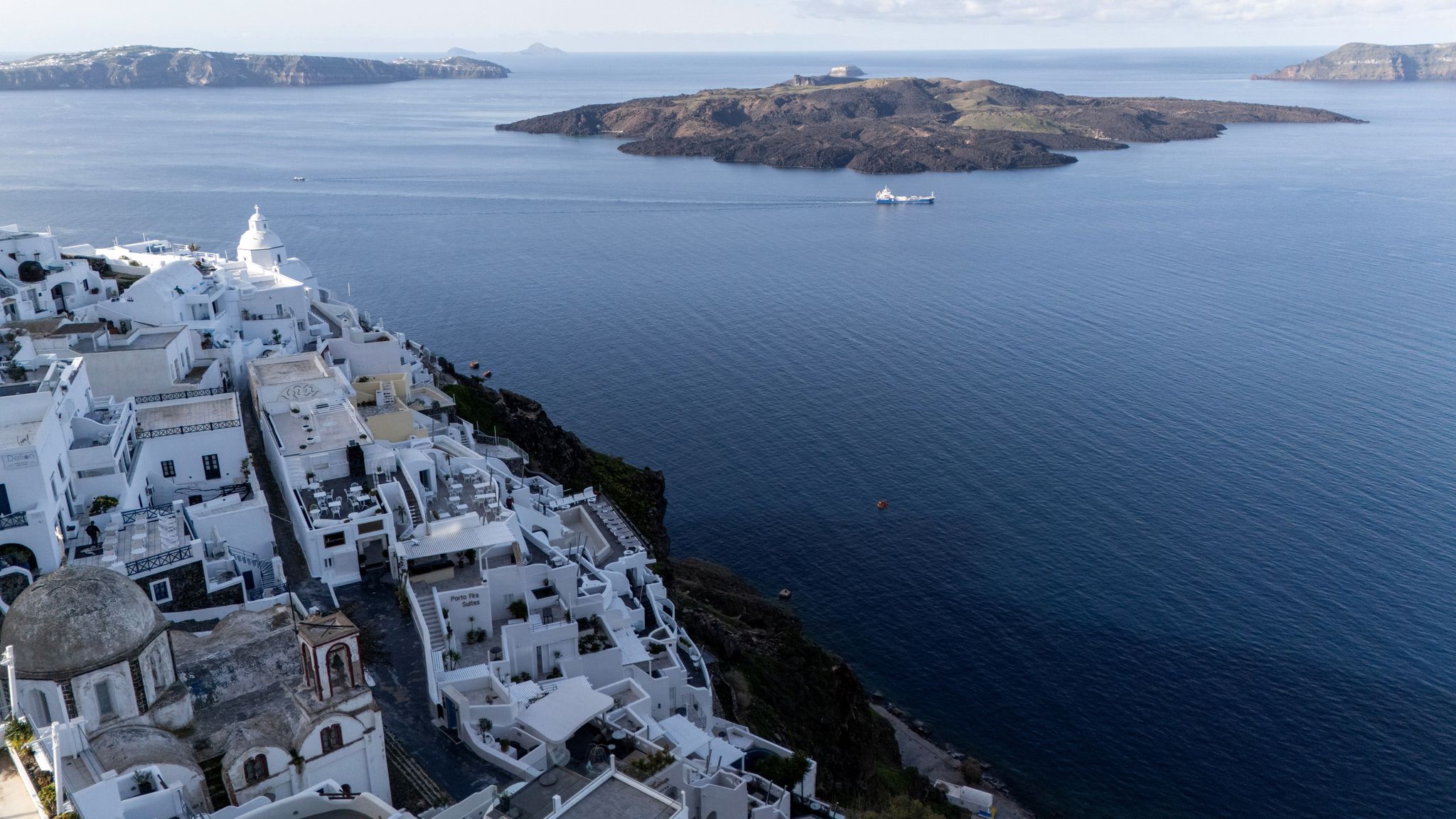
Santorini, a part of the South Aegean volcanic arc, is a geological marvel. The island's formation is closely linked to its volcanic past, which has also contributed to its seismic activity. The caldera, a prominent feature of Santorini, was formed due to a massive volcanic eruption around 1600 BCE.
For tourists visiting Santorini, understanding what to do during an earthquake is crucial for ensuring personal safety. Simple precautions can make a significant difference in minimizing the risk of injury or harm.
Recent studies have highlighted the importance of monitoring volcanic activity as an indicator of potential seismic events. The interplay between volcanic eruptions and earthquakes is a focal point of research, offering new perspectives on the island's geological dynamics.
Geologists have identified key areas on the island that are more prone to seismic activity. These zones are closely monitored for any signs of increased seismicity, allowing authorities to take preventive measures when necessary.
The 1956 earthquake caused parts of the caldera to collapse, reshaping the coastline and altering the island's topography. This seismic event also led to the formation of new islands, such as Nea Kameni and Palea Kameni, which are now popular tourist attractions.
Santorini is divided into several sub-seismic zones, each with varying levels of seismic activity. Understanding these zones is essential for effective disaster management and urban planning.
Santorini's geological history is rich with volcanic activity, which has shaped its unique landscape. However, this same geological activity also makes the island prone to earthquakes. While most tremors are minor, some significant seismic events have occurred throughout history, leaving lasting impressions on the island's geography and culture.
We encourage readers to stay informed about seismic activity in Santorini and take necessary precautions to ensure their safety. Share this article with friends and family, and explore other resources to deepen your knowledge of this fascinating topic. Together, we can promote awareness and preparedness in the face of nature's forces.